
Service 04
Wood & cedar fences, quiet lines around a yard.
A good fence gives a garden its edges: privacy for the patio, a boundary for the dog, a backdrop for the planting. In wet ground it also has to stay upright.

Five ways to draw a boundary.
- Privacy
Solid board
Tight vertical boards that block sightlines completely. The classic backyard choice where houses sit close together.
- Modern
Horizontal slat
Long boards run sideways with slim, even gaps. It suits contemporary homes and lets a little light and air through.
- Shared
Good-neighbor
Built so both sides see the finished face, with the framing hidden between. A fair option on a shared property line.
- Airflow
Shadowbox
Boards alternate on either side of the rails, so the fence looks solid head-on but lets breeze move through, which helps plantings and the wood itself dry out.
- Front yard
Picket
Low and open, for defining a front garden or keeping small dogs in without closing the house off from the street.
Where fences usually fail.
Boards are easy to replace. Posts are not. Most leaning fences in the Northwest trace back to what happens below grade.
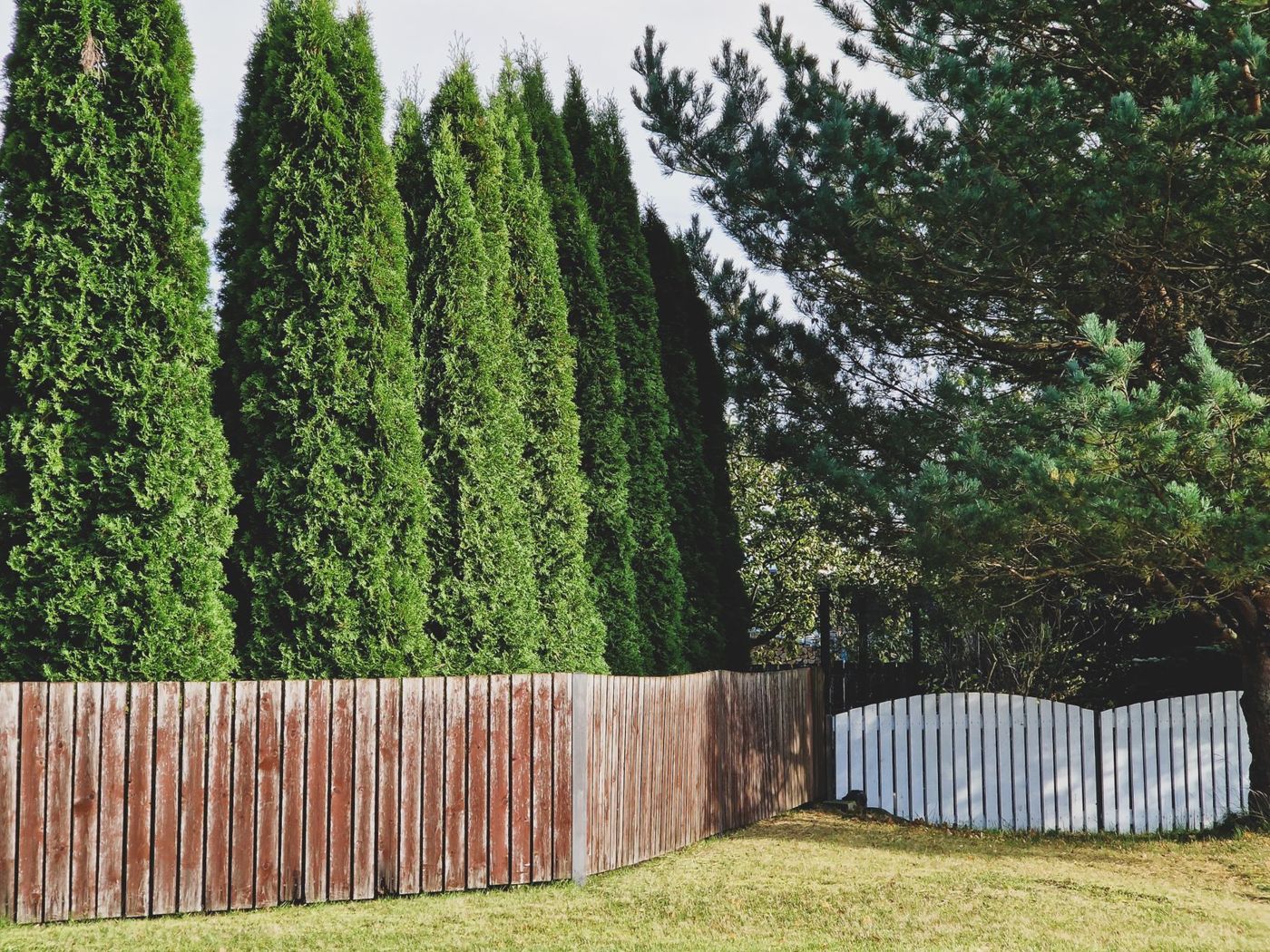
- Depth and footing: posts set deep enough for the height and soil, in concrete shaped to shed water away from the wood.
- Ground contact: treated posts rated for burial, or steel posts where wood below grade would struggle.
- Gravel at the base in heavy clay, so water drains rather than sitting against the post.
- A small gap between boards and soil, so pickets aren’t wicking moisture from the ground all winter.
- Caps and trim on posts and top rails to keep rain off end grain.
Colour, grain and time.
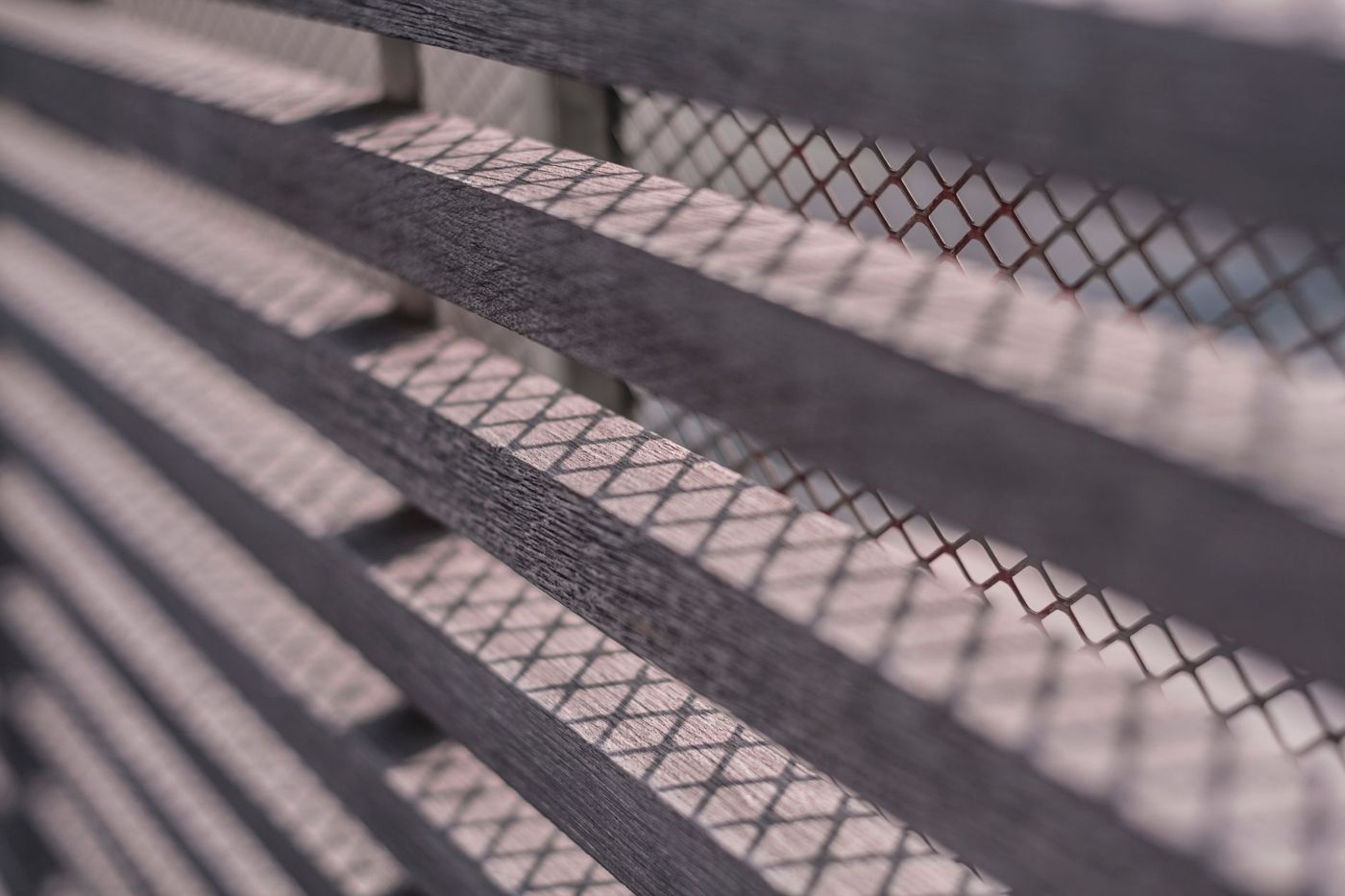
Left natural, cedar fades to a silver grey within a season or two. A semi-transparent stain keeps some warmth and slows the greying; a solid stain gives a painted look in charcoal, black or deep green that suits many Seattle homes. We’ll talk you through each and what it means for re-coating down the line.
Planning the run
Before any post goes in, it helps to know exactly where the property line sits; a survey or clearly marked corners save arguments later. We’ll ask where you want gates, how wide they need to be for mowers or bins, and whether the fence should step down a slope or follow it. Mature trees and roots, buried utilities and sightlines at the driveway all shape the final layout. Mentioning the project to your neighbor early is a courtesy that tends to make everything smoother.
Wood fence questions.
Which side of the fence faces my neighbor?
Many people put the finished face outward as a courtesy, and some local rules address it. A good-neighbor or shadowbox design avoids the question by looking finished on both sides.
Can you replace just a few fence panels?
Often, yes, if the posts are solid. If posts are rotting at the base, new panels will lean soon after, so we check them first.
How tall can my fence be?
Height limits depend on where the fence sits on the lot and on local rules. We’ll help you check the requirements with the City of Seattle or King County before we build.