
Service 01 — Our primary craft
Composite decks, framed for the wet.
A composite deck is only as good as what lies beneath it and how water leaves it. We plan both before a single board is chosen.
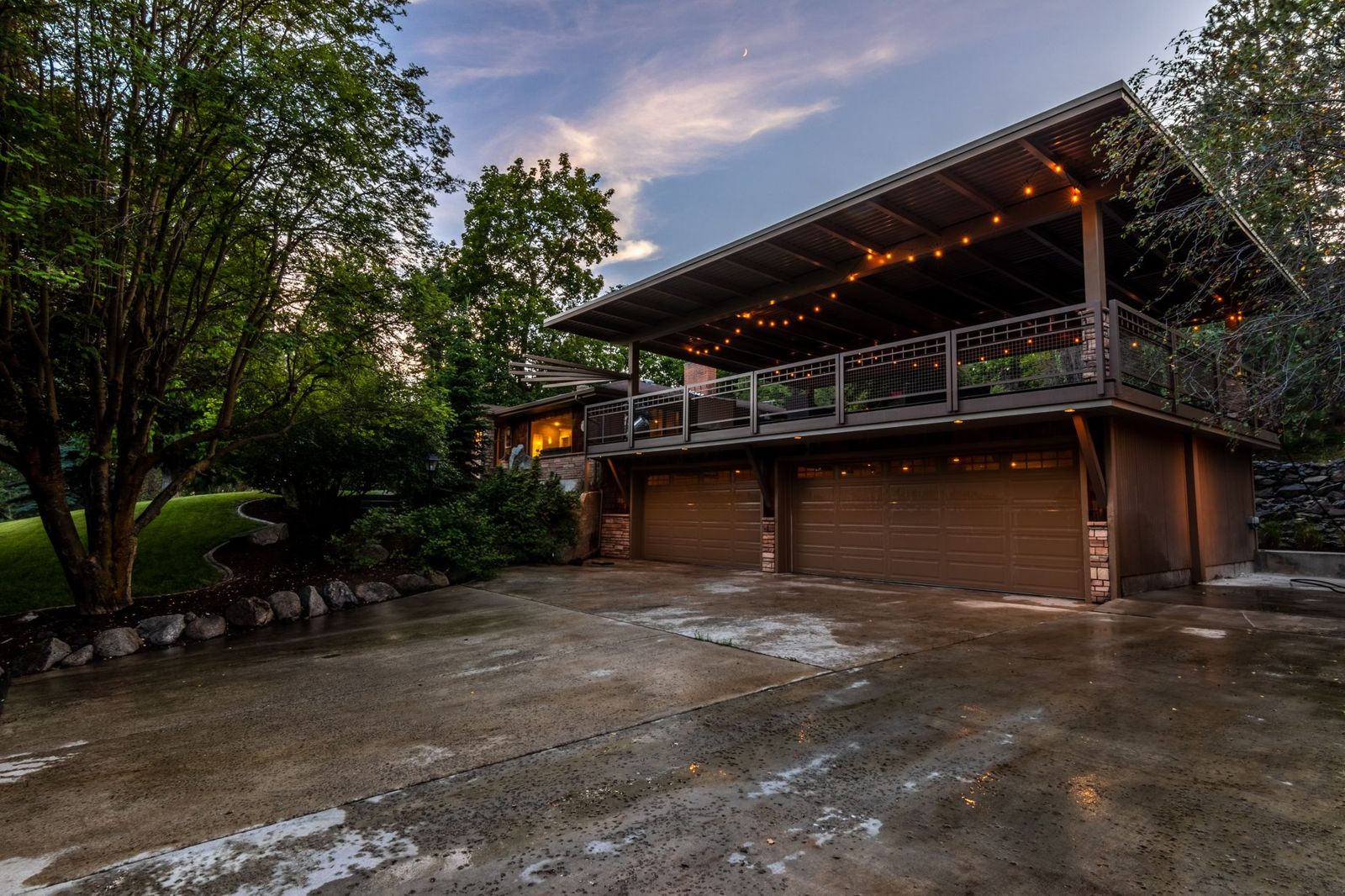
Two families of low-upkeep decking.
We install capped boards from leading manufacturers. The right line depends on your site, your budget and how you’ll use the space.
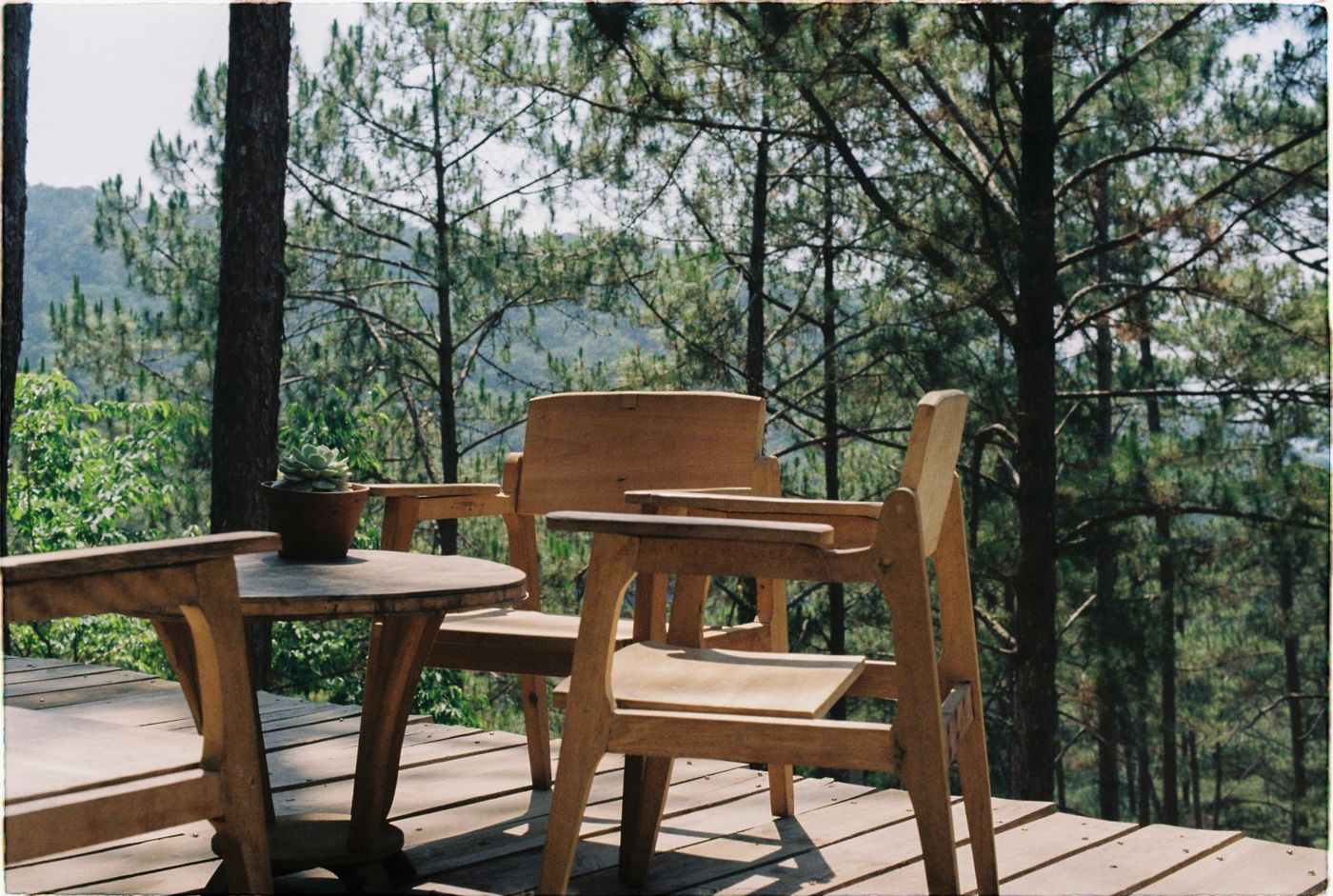
Capped composite
A core of wood fibre and plastic, wrapped on the exposed faces by a tougher polymer shell. The cap is what resists staining, fading and moisture; the core gives the board weight and a more wood-like feel underfoot. It’s the choice we recommend most often for Seattle yards.
PVC (cellular) decking
Made without wood fibre at all, so it is lighter and even less bothered by constant damp. It suits low decks close to the ground, spots beside hot tubs, and yards that barely dry out between October and May. It usually sits at the higher end of the price range.
Colour and texture
Lighter tones stay cooler in direct sun; darker, variegated boards hide leaf litter and footprints. Brushed textures give extra grip on damp mornings. We bring samples so you can see them in your own light.
Layouts, railings, stairs and light.
- Layout
Shape follows use
Ground-level platforms for flat yards, raised decks off a kitchen door, multi-level designs that step down a slope. We think about where the table goes, where the grill smoke drifts and where the afternoon sun lands.
- Details
Borders & fasteners
A picture-frame border finishes the edges cleanly. Hidden clip fasteners leave the surface free of screw heads and allow the boards to move with the seasons.
- Railing
Guarding the view
Aluminum for slim, powder-coated lines; cable to keep a view of the water or the mountains; composite to match the boards. Each one is built to feel solid when you lean on it.
- Stairs
Steps that feel safe
Consistent rise and run, solid stringers, and a landing where a long run needs a pause. Contrasting nosing or step lights help on dark winter afternoons.
- Lighting
Low and warm
Post caps, riser lights and recessed deck lights make a deck usable after four in the afternoon in December. We plan wiring before the decking goes down so nothing is surface-mounted as an afterthought.
- Cover
Roofs & shelter
A pergola or solid roof over part of the deck turns it into a place to sit through a soft October rain. We’ll talk about how any cover ties into the structure and the house, and what it means for light reaching the rooms inside.
The frame is still wood.
Composite doesn’t rot, but the joists and beams holding it up usually do if they stay wet. That’s where most of our care goes.
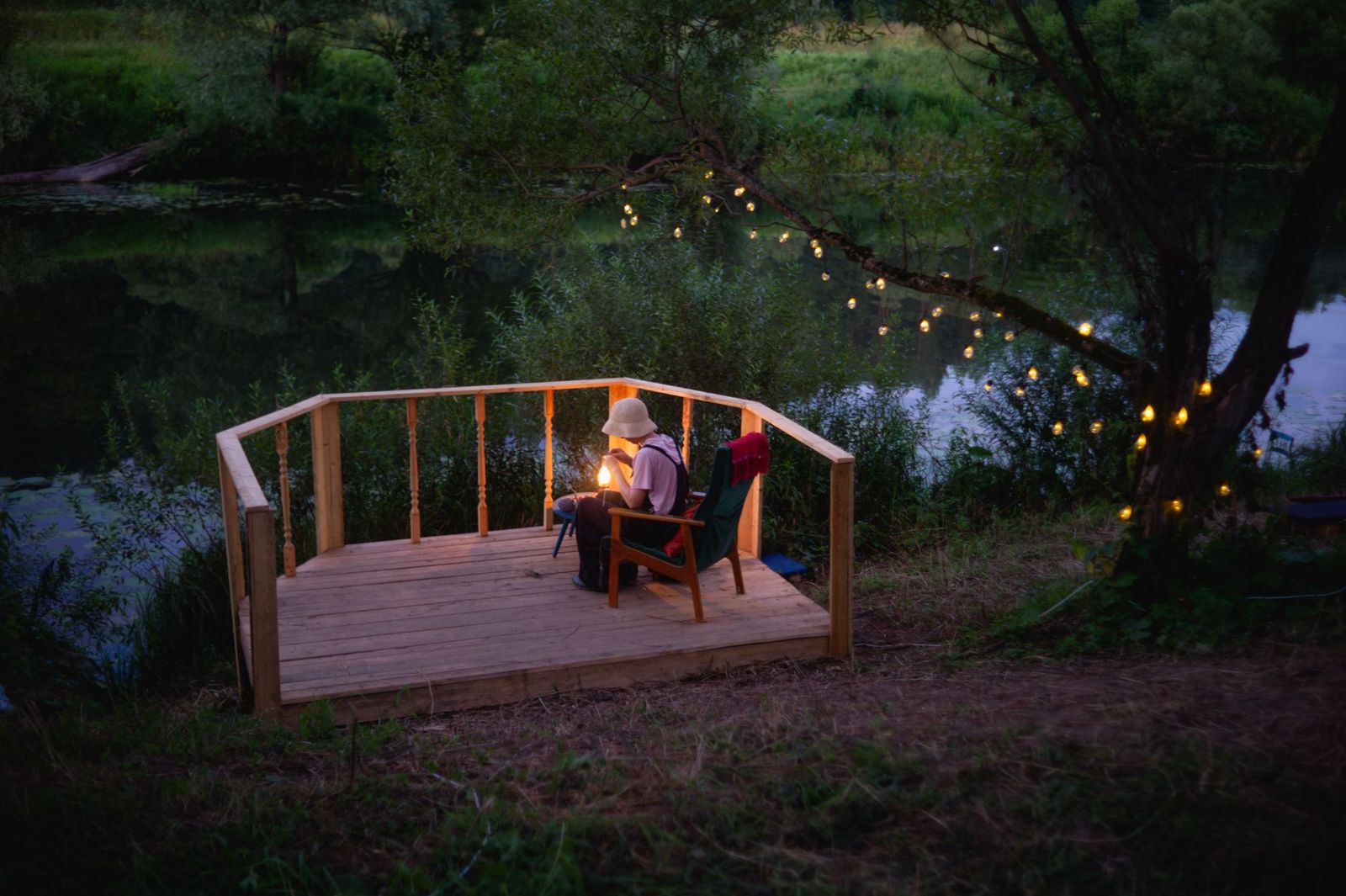
- Joist spacing matched to the board manufacturer’s requirements, so the surface doesn’t bounce or sag.
- Joist tape over the tops of framing members to shed water from fastener holes.
- Flashing at the ledger where the deck meets the house, the spot where hidden rot most often starts.
- Ventilation beneath low decks, so moisture can escape rather than sit under the boards all winter.
- Grading and drainage so rainwater leaves the site instead of pooling around footings.
Low maintenance, not no maintenance.
What it asks
- A wash with mild soap and a soft brush in spring and autumn
- Leaves cleared from board gaps before they turn to compost
- A look at shaded corners where algae likes to start
What it doesn’t
- No sanding, staining or sealing
- No splinters or popped nails
- No annual weekend lost to refinishing
More detail, month by month, in our Seattle deck care guide.
About composite, answered.
Does composite decking get hot in the sun?
It can, especially darker colours in full afternoon sun. Lighter shades and PVC lines generally stay cooler. On most Seattle lots, with trees and our mild summers, it’s rarely a problem, but we’ll point it out if your deck faces south with no shade.
Will it look like plastic?
Current capped boards have varied tones and embossed grain that read much more like wood than older generations did. Samples in your own daylight are the best test, so we bring several to the estimate.
Can a composite deck be built on a steep lot?
Yes. Hillside sites usually mean taller posts, bigger footings and sometimes several levels. We assess the slope and soil at the site visit and explain what the structure will need.
How do I remove moss or algae from composite?
Usually a soft brush, water and a mild deck cleaner are enough. Avoid wire brushes and aggressive pressure washing, which can mark the cap. Check the board maker’s care instructions for approved cleaners.
Is PVC worth the extra cost?
For very damp, shaded or low-to-the-ground decks, and around hot tubs, it can be. For a typical raised deck with decent airflow, capped composite is usually the better value. We’ll show you both.
Can composite be laid over an existing concrete patio?
Sometimes. A low sleeper frame can sit on sound concrete, provided water can drain beneath it and there’s enough height for airflow. Cracked or poorly draining slabs are better removed or built over on proper footings.