
The Cascadia guide — long read
Deck care for a climate that never quite dries.
Rain from October to June, shade from tall firs, moss on anything that sits still. A deck here lives a different life than one in Arizona. This guide is how to help it age well.
Why Seattle decks need a different routine
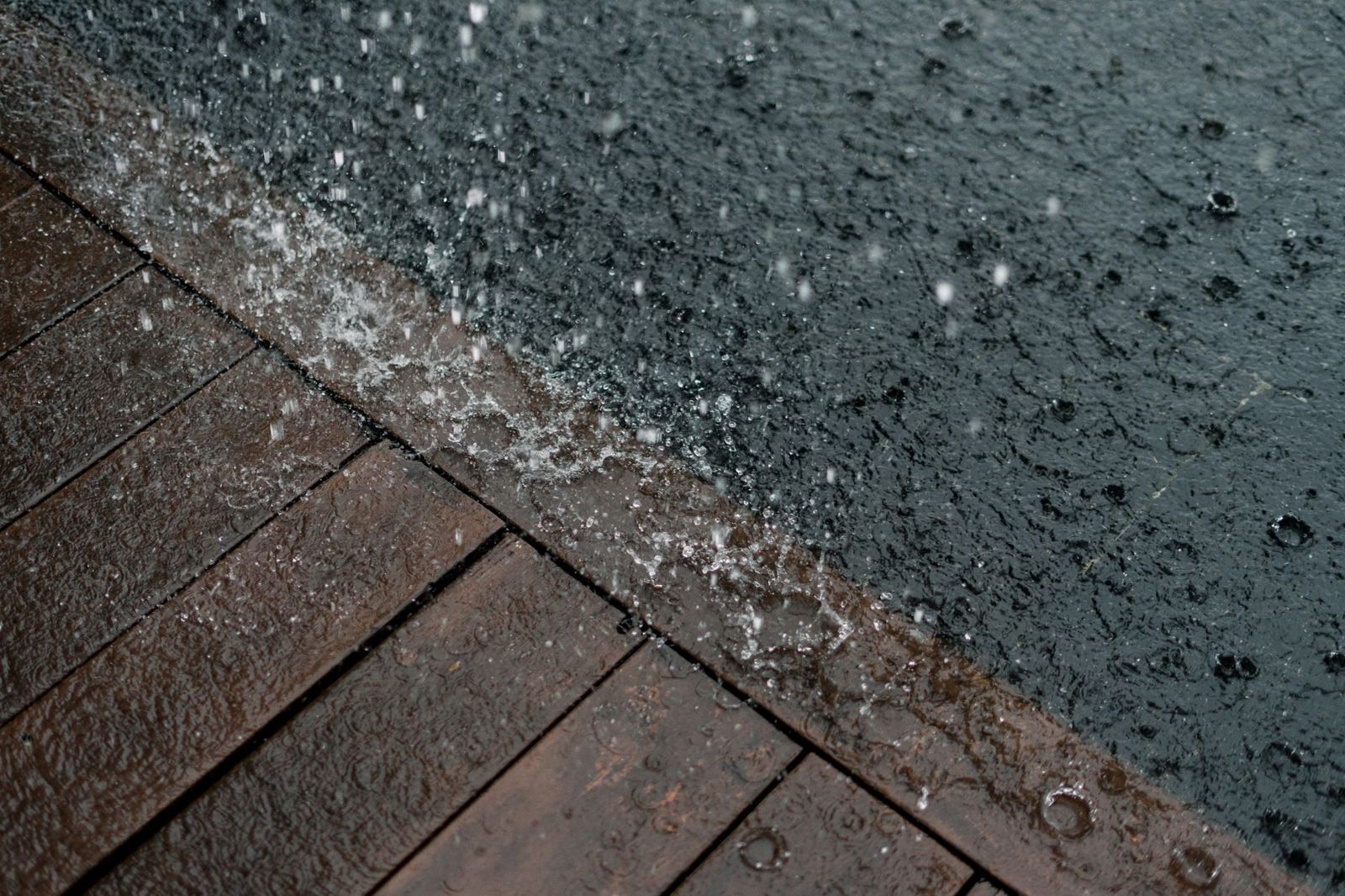
Most deck damage in the Northwest doesn’t come from a single storm. It comes from months of small, patient moisture: water that sits, debris that holds it, shade that keeps it from leaving.
The good news is that almost all of it is preventable with a few habits and a couple of hours each season. Whether your deck is capped composite, PVC, cedar or pressure-treated lumber, the goal is the same: keep water moving, keep organic matter off the surface, and catch small problems before they become structural ones.
The green film that arrives every autumn.
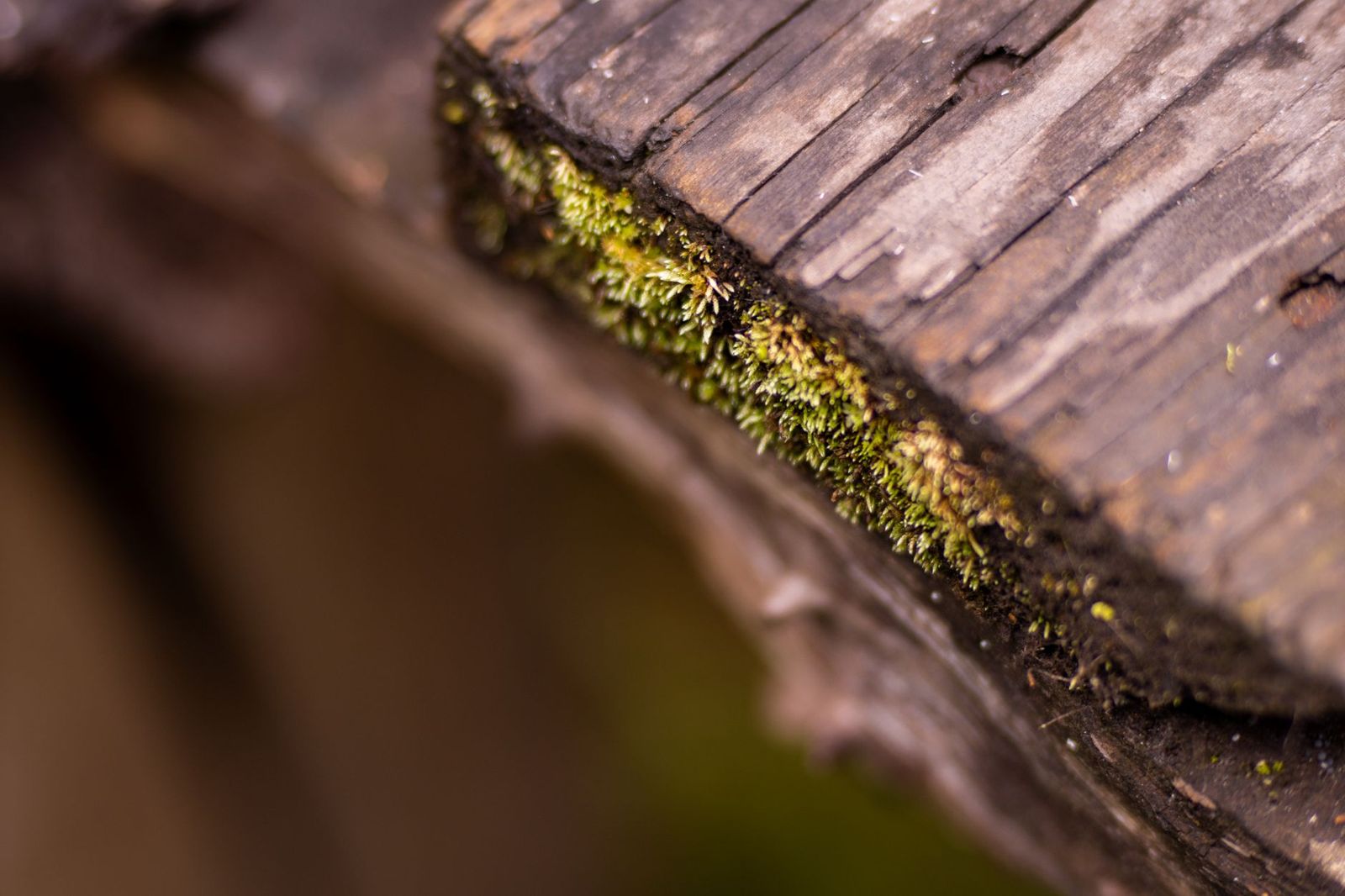
Algae shows up first as a slick green or black film in shaded corners and along the north side of the house. Moss follows where debris and moisture linger, often in board gaps and on stair treads. Both make surfaces slippery, and on wood both hold water against the grain.
What helps
- Sweep regularly so spores and soil have nothing to root into.
- Wash shaded areas with a soft brush and a cleaner approved by your board or stain maker.
- Trim back overhanging branches and shrubs where you can, to let in light and air.
- Treat stair treads first: they matter most for safety.
Avoid scraping moss off with metal tools, and be cautious with pressure washers. Held too close, they can raise wood fibres or scar a composite cap.
Water should always have somewhere to go.

After a heavy shower, walk the deck. Puddles that linger for hours point to boards that have cupped, a frame that has settled, or gaps clogged with debris. On wood, standing water is the start of rot; on composite, it’s where algae and staining begin.
- Keep board gaps clear so water drops straight through.
- Make sure downspouts discharge away from the deck, not onto it or under it.
- Look beneath: the ground under a deck should slope away from the house, not collect a pond.
- Don’t leave rugs, planters or furniture feet in the same spot all winter. Lift pots onto risers.
Autumn’s slow compost.
A pile of wet maple leaves left on a deck for a month is, quietly, a composting operation.
Clear often
A leaf blower or broom once a week in October and November does more than one big clean-up in December.
Mind the gaps
Fir needles and seed pods lodge between boards and block drainage. A thin putty knife or gap tool clears them.
Watch for tannins
Leaves can leave tannin stains, especially on lighter surfaces. Prompt removal and a gentle wash usually lift them.
Composite and wood need different care.
Capped composite & PVC
- Wash with warm water, mild soap and a soft-bristle brush
- Use only cleaners the manufacturer approves
- Never sand, and never apply stain or sealer
- Rinse off fertiliser or grill grease promptly
- If you pressure wash, follow the maker’s pressure and nozzle guidance
Cedar & pressure-treated
- Clean each spring with a wood-safe deck cleaner
- Let the wood dry fully before any coating
- Re-apply penetrating stain or sealer as the finish wears
- Seal cut ends and exposed end grain
- Re-set raised nails and loose screws
A simple test for wood: sprinkle water on the boards. If it beads, the finish is still working. If it soaks in and darkens the wood quickly, it’s time to re-coat once the weather allows. Curious how the two materials compare overall? See composite decks and wood decks.
Cold snaps, and the space underneath.
Snow and ice
Seattle snow is rare but memorable. Use a plastic shovel pushed along the boards, not across them. Before using any ice melt, check your decking manufacturer’s guidance; some products can mark surfaces or affect fasteners.
Airflow beneath
Low decks with skirting all round trap humid air, which keeps joists damp and feeds mildew. Leave vented gaps in skirting, keep the space below clear of stored lumber and garden waste, and trim plants back from the edges.
The frame
Once a year, look underneath with a flashlight. Dark staining at the ledger board, soft spots in joists, or rusted connectors are signals to have the structure checked.
Four visits a year.
Print it, pin it by the back door, or just set four reminders in your calendar.
Spring
- Full wash to lift winter grime and algae
- Check boards, rails and stairs for looseness
- Re-coat wood if the water test says so
- Clear gaps and the ground beneath
Summer
- Rinse off pollen, sap and grill spills
- Move planters and rugs occasionally
- Use the dry weeks for any wood finishing
- Check lighting and connections
Autumn
- Clear leaves and needles weekly
- Clean gutters and redirect downspouts
- Trim branches over the deck
- Look underneath with a flashlight
Winter
- Sweep after storms
- Keep shaded stairs free of slick algae
- Lift pots onto risers
- Shovel with plastic, along the boards
Some things shouldn’t wait.
Cleaning and inspection are homeowner jobs. These are not: a railing that moves when you lean on it, stairs that flex or feel soft, boards that give underfoot, a gap opening between the deck and the house, or posts that have started to lean. If you notice any of them, stop using that part of the deck and get in touch for an inspection.
And if you’re tired of the routine altogether, resurfacing with composite can take most of it off your list.