
Service 05
Metal fences & gates, clean lines that don’t rot.
Steel and aluminum don’t care how long the rain lasts. Built with good coatings and solid posts, they hold their shape through many winters.

Four kinds of metal fence.
Chain link
Practical and economical for back lots, dog runs and long boundaries. Black vinyl-coated mesh looks far tidier than bare galvanized and blends into planting.
Ornamental steel
Heavy, rigid and traditional, with pickets, finials and scrollwork if you want them. A powder-coated finish protects against rust in a damp climate.
Aluminum
Lighter than steel and naturally rust-free, available in simple modern profiles. A good match for aluminum deck railings.
Wood + metal
Cedar boards set in a steel frame, or mesh panels framed in timber. Warmth from the wood, durability and a crisp edge from the metal.
Match the fence to the job.
Start with what the fence needs to do. Keeping a dog in the back garden is a different brief from framing a front yard or screening a patio from the street. Chain link does the first quietly and well. Ornamental steel and aluminum suit the second, where the fence is part of the house’s face. For the third, metal usually works best as a frame for wood panels, or paired with planting that fills in over a couple of seasons.
Then look at the house. Black or bronze metal sits comfortably against dark siding and Northwest modern architecture; traditional pickets and finials suit older Craftsman and Tudor homes. If you already have aluminum railing on a deck, carrying the same profile into the fence ties the whole yard together.
Finally, think about the posts. Metal fences need solid footings as much as wood does, and in wet soil we set them with the same care: correct depth, concrete shaped to shed water, and tops capped so rain can’t collect inside hollow sections.
The part you touch every day.
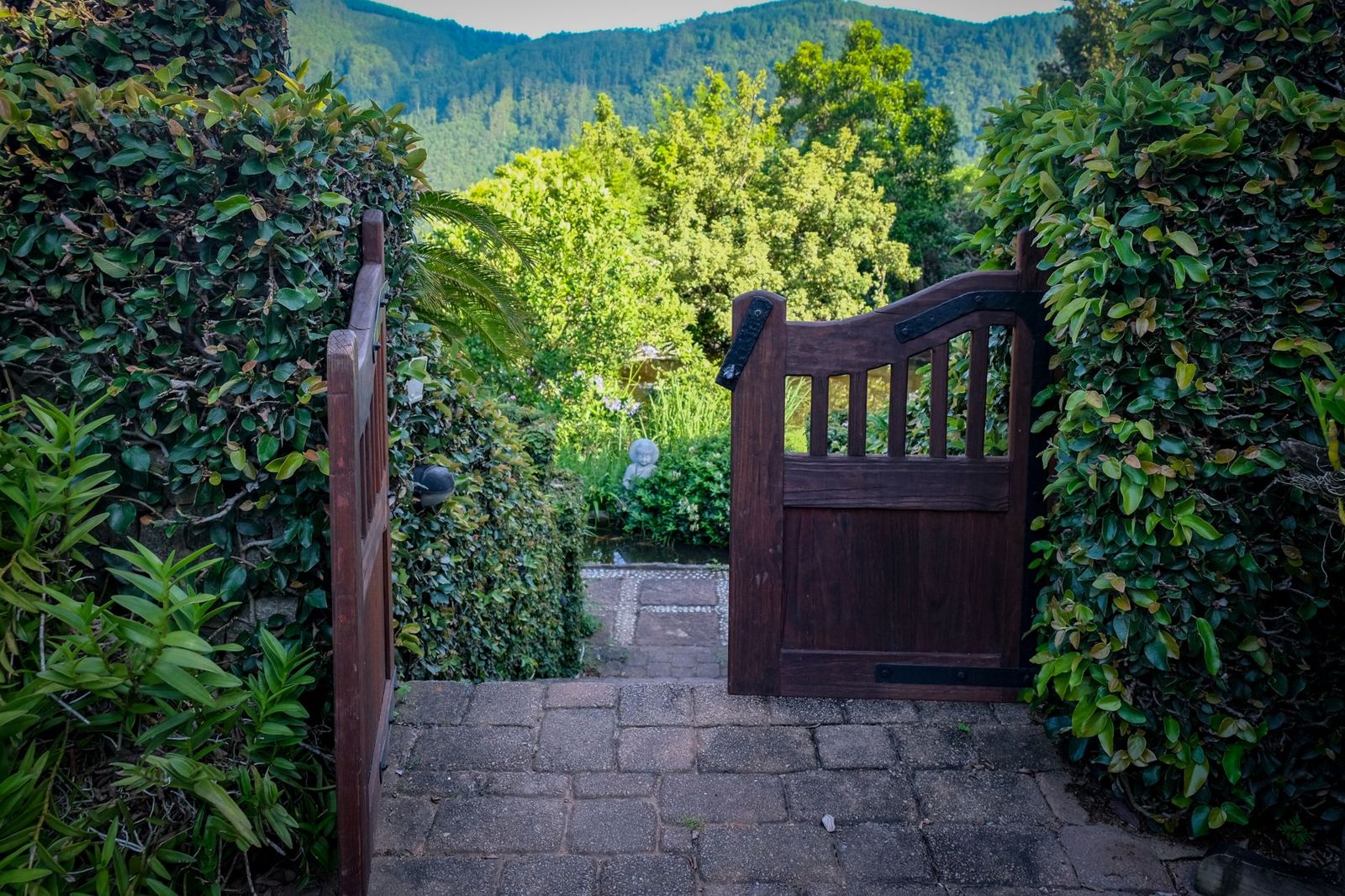
Walk gates
Single gates for paths and side yards, sized so bins, bikes and wheelbarrows pass without a squeeze.
Double & drive gates
Wider openings for driveways and garden access, with a centre drop rod to hold one leaf while the other swings.
Hardware that lasts
Heavy hinges, self-closing options, latches that can be reached from both sides, and diagonal bracing or a steel frame so wood gates don’t sag over time.
Metal fencing, answered.
Will a steel fence rust in Seattle?
Bare steel will. Galvanizing and a quality powder coat protect it for a long time, and touching up any scratches promptly keeps rust from starting. Aluminum avoids the issue entirely.
Can a metal fence work on a sloped yard?
Yes. Panels can be stepped down the slope or, with some systems, racked to follow it. We’ll show you what each looks like on your grade.
Can you add a gate to my existing fence?
Often. We check whether the posts on either side can carry the gate’s weight and swing, and replace or reinforce them if not.
Is chain link secure for dogs?
It’s a common choice for dog runs. For diggers, we can discuss options at the base; for jumpers, the right height matters most.