
Service 02
Wood decks, for those who love the grain.
Real timber has a warmth nothing else quite matches. In this climate it also asks for attention. We build it well and tell you plainly what it will need.
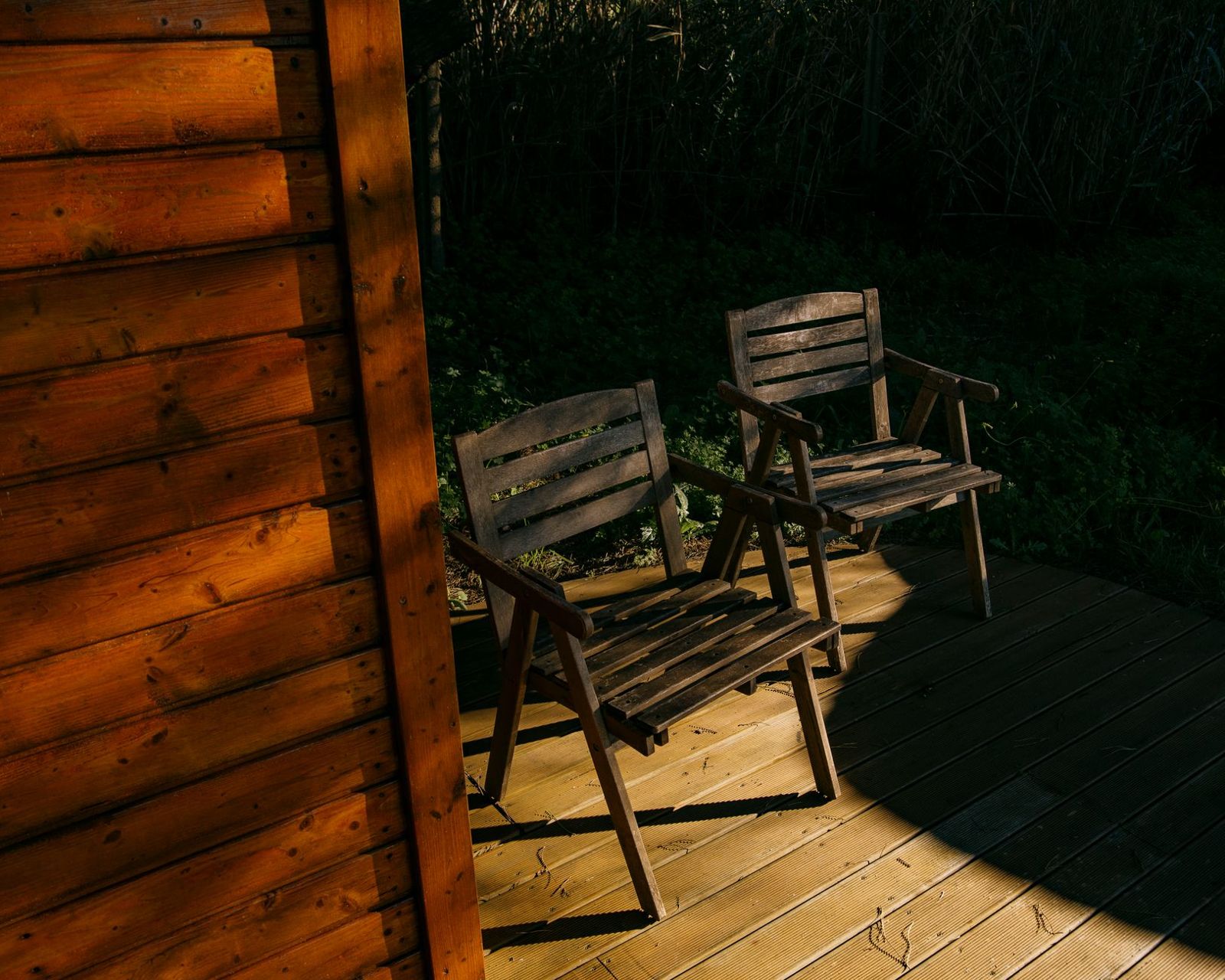
Cedar and pressure-treated.
Western red cedar
Light, stable and naturally resistant to decay, with a scent you notice on warm days. It weathers to silver if left alone or holds its colour with regular stain. A regional classic.
Pressure-treated lumber
Chemically treated against rot and insects, and the most economical way to build a deck. It’s sturdy but prone to checking and needs sealing to stay looking good.
Mixed approaches
A treated frame under a cedar surface, or a cedar deck with an aluminum railing. We’ll suggest combinations that balance look, budget and upkeep.
Good reasons to choose timber.
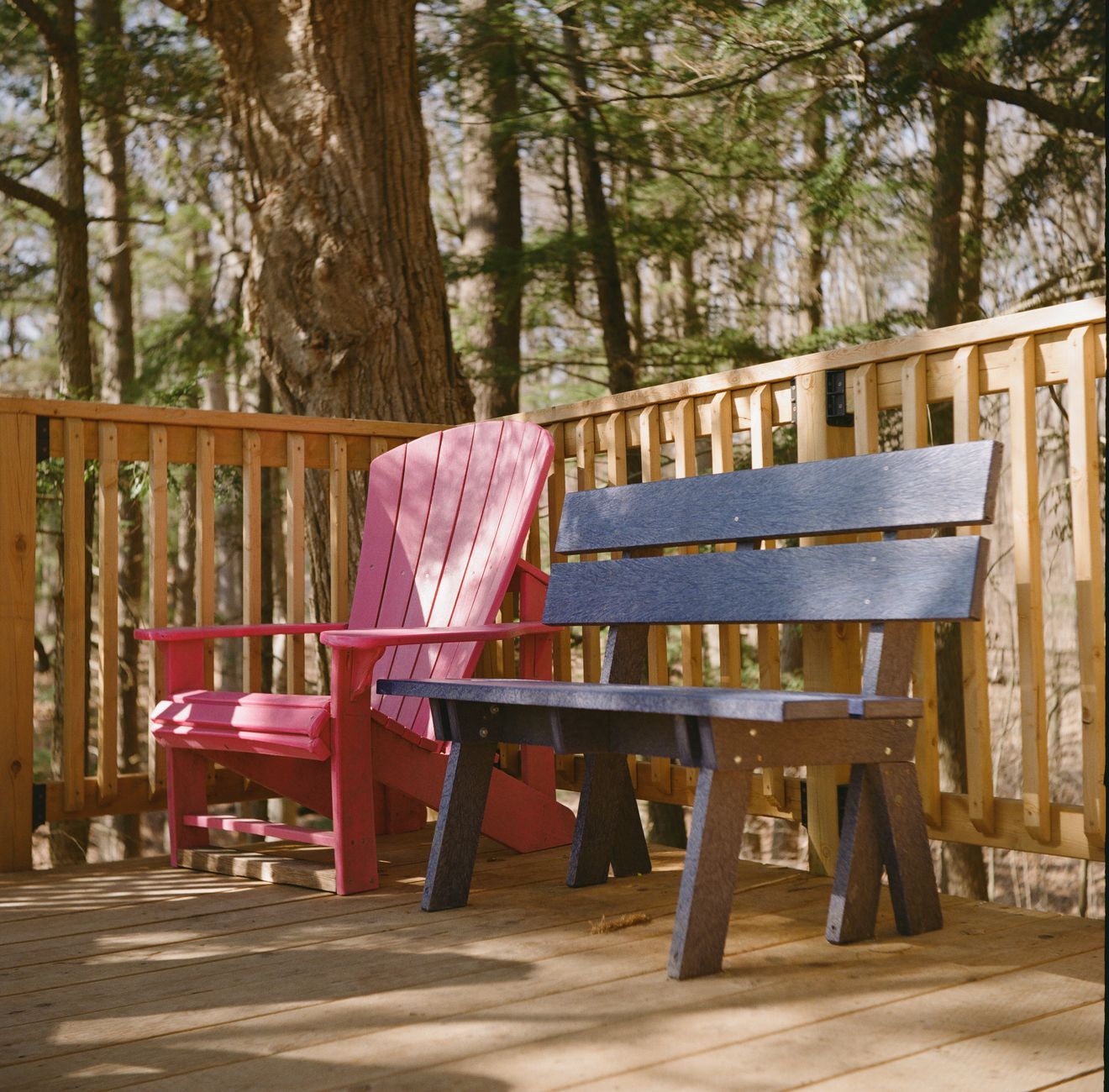
- You want the look, feel and smell of natural wood and enjoy looking after it.
- The budget is tight and a solid, well-built deck now matters more than lower upkeep later.
- The deck is small, sunny and well ventilated, so it dries out quickly after rain.
- You’re matching an existing cedar fence, siding or pergola.
- You plan to sell soon and want a fresh, attractive outdoor space at modest cost.
What wood asks of you here.
In a drier climate a wood deck can be left alone for years. In Seattle, moisture and shade set the pace.
Built to last as long as wood can
How a wood deck is built matters as much as how it’s maintained. We keep boards gapped for drainage, seal every cut end, use corrosion-resistant fasteners suited to treated lumber, and leave space beneath for air to move. Choosing straight, dry stock at the yard avoids a lot of twisting later.
The yearly rhythm
Plan on cleaning every spring and re-applying a penetrating stain or sealer every couple of years, sooner on horizontal surfaces in full sun. Keep an eye on board ends and anywhere leaves collect, since those spots stay wet longest. Fasteners can loosen as the wood swells and shrinks, so a walk around with a screwdriver each autumn pays off.
None of this is difficult, but it is real work. If the idea of an annual refinishing weekend sounds like a chore rather than a pleasure, a capped composite deck may suit you better.
Wood decks, plainly.
Should I let cedar go grey?
That’s a style choice. Unstained cedar weathers to a soft silver and still resists decay, though the surface may roughen and mildew more easily. Stain keeps the warm colour but becomes a recurring job.
Is pressure-treated wood safe around kids and gardens?
Modern residential treatments are widely used for decks and play areas. If you plan to grow food right next to the deck, you can line raised beds or choose cedar for those parts.
When is the best time to stain a new wood deck?
Treated lumber often needs to dry out before it will accept stain, which may mean waiting through part of a season. We’ll check moisture and advise on timing rather than guess.
Can I switch a wood deck to composite later?
Often, yes. If the frame was built with suitable joist spacing and has stayed dry, new composite boards can go on top of it when the wood surface wears out. Planning for that at the start makes the switch easier.